
See them, study them, be them… Well, be you, with their wisdom and guidance. These eight directors could help you make your first film.
You’re starting your first film. You have a finished script, a cast and crew at the ready, and a list of locations all mapped out. There’s only one problem: you’re the director and you have no idea what you’re doing. That is, not until you can figure out what makes a good director.
The answer might seem glaringly obvious: a good director is a successful director; one that has garnered all the accolades that makes them renowned and respected in the industry.
However, the reality is that the director with the most money or awards may not be the best one to study- at least, not if you’re a beginner.
The best director for a first-time filmmaker is one who can teach you practical lessons, show you it’s possible to achieve success in the face of limited access to resources or a small budget, and prove that they can excel at a particular skill. If a director shows techniques that can be understood, studied and ultimately applied by a first-time filmmaker, they may serve as a better–and more useful model–than any Hollywood giant ever could. After all, we all have to start somewhere.
Robert Rodriguez – Resourcefulness
Our first director is Robert Rodriguez. Having made his first film El Mariachi for only $7000, Rodriguez is a masterclass in resourcefulness and is an integral director to study when beginning your filmmaking career. His work shows us that limitations do not have to be a hindrance but can actually be essential for creativity, and just because you’re trying something new, doesn’t mean it’s wrong. In fact, Rodriguez tells us that resourcefulness can actually be your best friend as a beginner, and where you lack in one department may be where you excel in another.
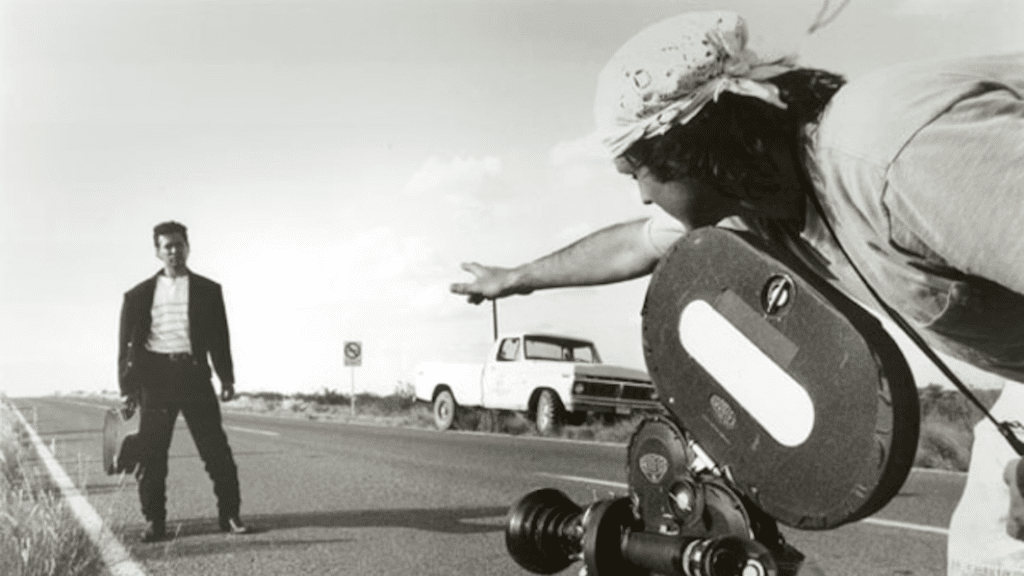
His most practiced advice: never be a “one stop shop.” He suggests that a person can– and should–handle multiple aspects of production, doing as many jobs as they can, wherever they can. For many of us, wearing multiple hats on production is already the reality, so it is all about leaning into that process.
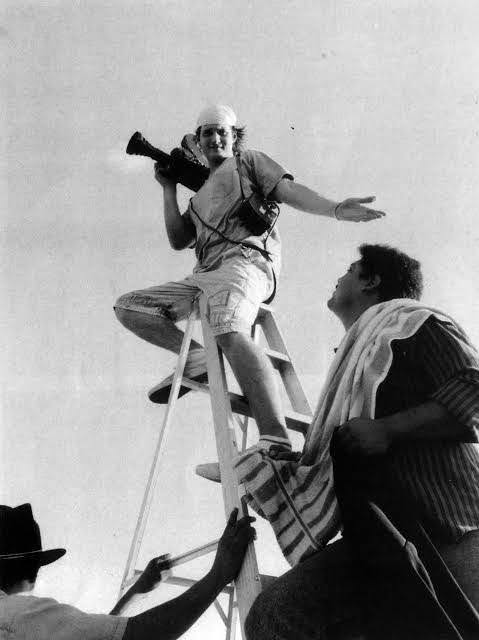
The essential idea is that limited resources are actually an advantage. Don’t believe me? Take it from Rodriguez himself. He says,
“If I don’t have enough time and money, I’m going to have to get really creative. How can that be a bad thing because isn’t that actually what you want?…Once you turn on the money hose to wash away your problems or challenges, you’re not going to achieve [creativity].”
His refreshing outlook on what is often a debilitating obstacle emphasizes choosing to think outside the box and try new filmmaking techniques. In short, don’t wait for perfect circumstances, make something great with what you have. For a new filmmaker stepping onto their first set, that sounds like advice worth taking.
Agnès Varda – Creativity Over Equipment
Resourceful as you may be, as a first-time filmmaker you might still feel like you lack the right equipment. Not to fear, Agnès Varda is the one to watch. She is a director who doesn’t let herself be painted into a corner, and allows her willingness to be curious to outweigh any need for equipment. Being a triple threat in photography, filmmaking and visual art, she does have a more established understanding of components like light, composition and lenses, but what makes her strong isn’t just her technical skills, but how she applies them.
With a sense of playfulness, Varda takes the mechanical aspects of her skills and turns them into something new. Coining the term “cinécriture” meaning “cinematic writing”, she remakes, reshapes and remixes her films to create a rhythm of editing that seems like the writer had written it into the script themselves. Now this might sound a little complicated, but the idea is really to show you the vast amount of power in your hands. It can be easy to feel helpless when you don’t have all the tools at your disposal, but that is exactly the point; where you don’t have, make.
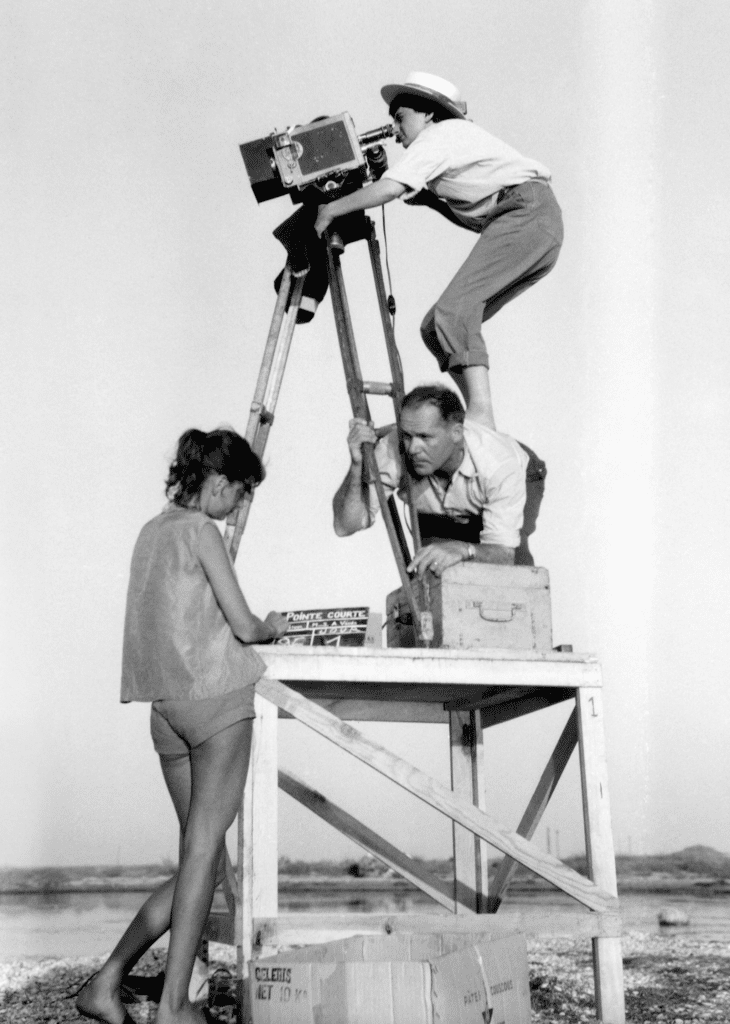
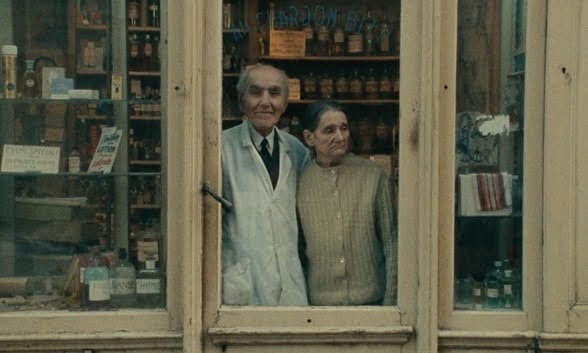
A great example is Varda’s documentary, Daguerréotypes (1975). The opportunity arose soon after the birth of her son and as a result, she wasn’t able to travel far. So instead, she focused the documentary on the shopkeepers in her own neighbourhood. This way, she could stay close by, have more access, and free reign to do nearly whatever she wanted. Varda says,
“I imagined a new umbilical cord. I had a special 80-meter electric cable attached to the electric box in my house. I decided I would allow myself that much space to shoot Daguerréotypes. I could go no further than the end of my cable.”
Making a challenging process more challenging to make it more fun- I can’t imagine a better full circle moment. Varda teaches creativity, resilience and enjoyment, helping us understand that limiting our resources can be an active choice instead of a constraint.
Wong Kar-wai – Creating Atmosphere
You may also come across problems that don’t necessarily have anything to do with the logistics of filmmaking. You’re at the stage where it’s about creating atmosphere and mood, and it’s a bit of a different process. If you’re under the impression that this is a talent you either have or don’t- stop that. This is where you learn.
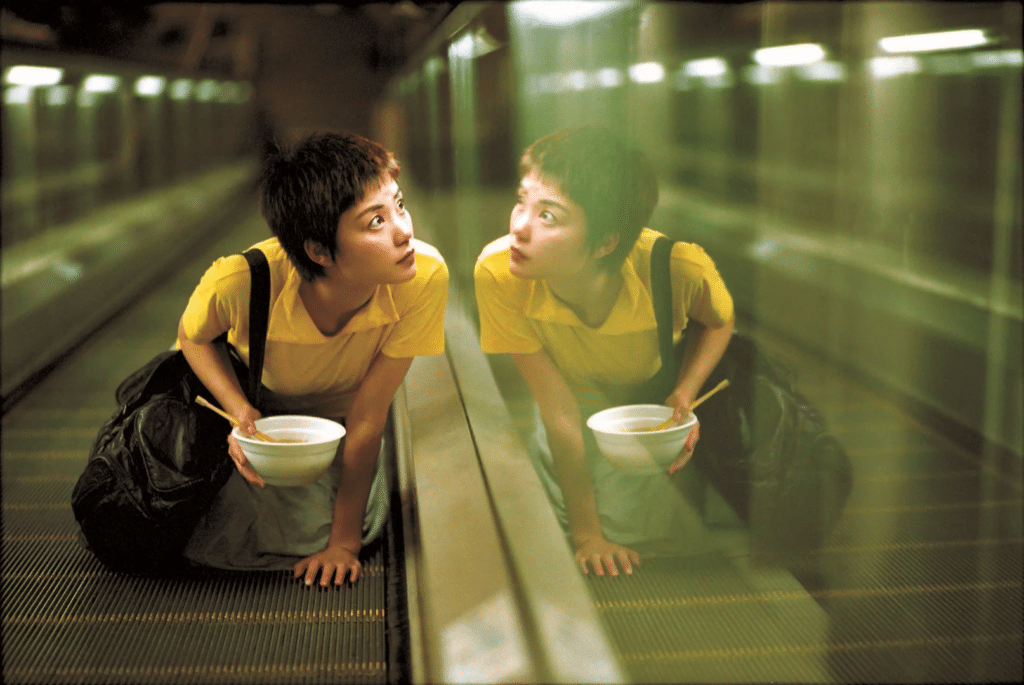
Wong Kar-wai, dubbed “the master of sensual cinema” is an expert at making the highly daunting task of immersing your audience in your film seem very possible. He inspires with his use of visuals and sounds to create a near spellbinding allure, hypnotizing his audiences into the world of films. I’m not sure about you, but that sounds like a skill I’d like to have.
Creating mood, while yes, is reflective of your own visual style, can also be learned. Studying Wong teaches you to use colour to draw initial attention, be it through one dominating colour or an intermingling of neon, and combine it with dynamic editing to create a unique and distorted atmosphere. His signature element of blurring images using his own ‘step-printing’ technique became synonymous with his work, and showcases one of the many ways you can captivate your audience.
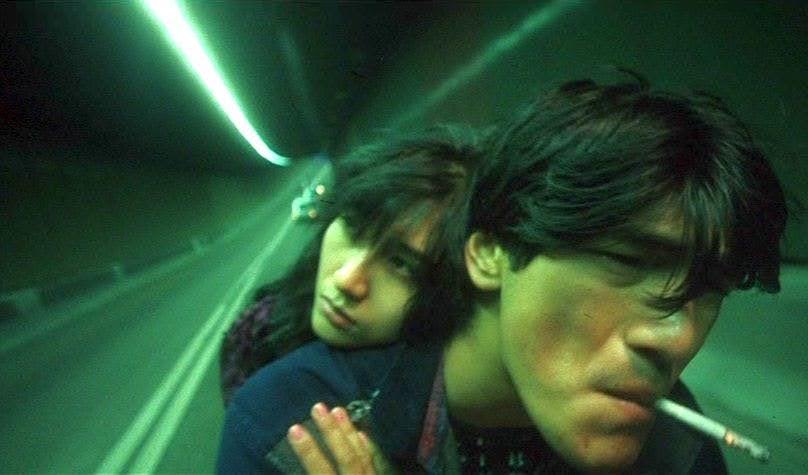
If that’s not enough, have a try at sound. Think of your favourite pop song playing over a melancholy, dynamically visual scene in your favourite film. It sounds like it might not work, but what if it does? The recipe to a distinctive Wong Kar-wai production is the contrasting use of upbeat music on top of a distorted image to create feelings of romance, loneliness and loss all at once. The added layer of emotion is almost confusing in its intensity, where you’re not quite sure how you got there; but you’re there, and you’re definitely affected. This isn’t to say you should copy Wong, in fact, it’s exactly the opposite. It is to show that you can approach filmmaking through a route that doesn’t rely on linear storytelling. If you focus on mood as your anchor, and come at it with your own visual style, you might find a way to say something that the characters in your film could never say themselves.
Akira Kurosawa – Blocking
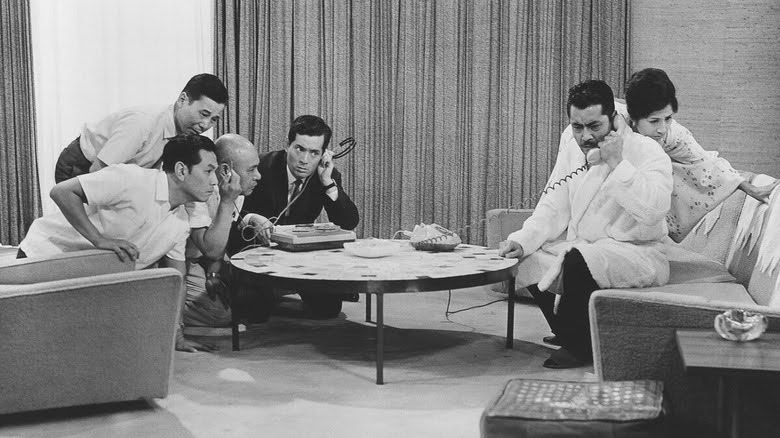
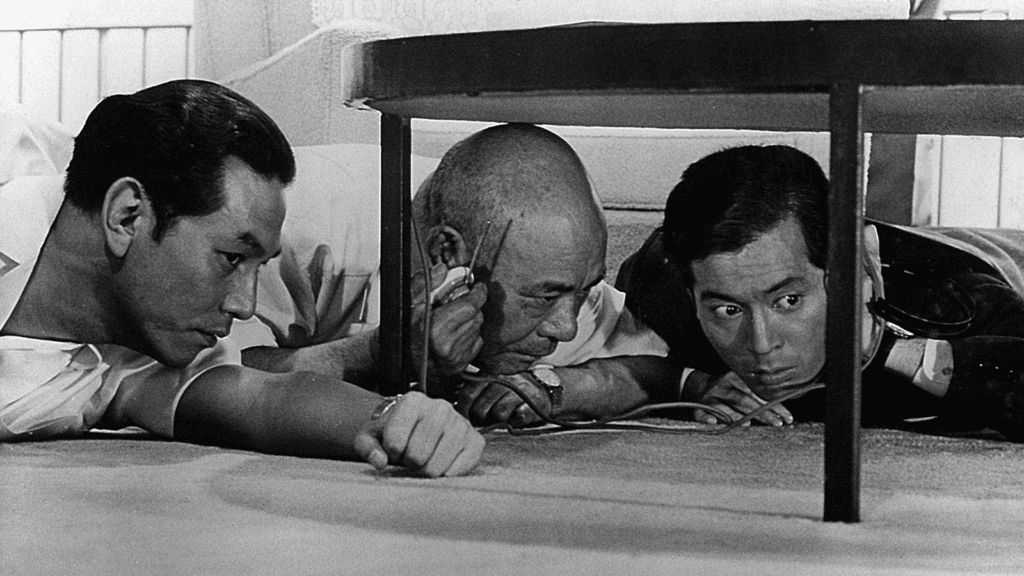
Establishing equipment, technique and mood is a great start to framing your film, and is a likely indicator that you’re ready for the world of actors. Creating atmosphere on screen relies on the actors as much as it does camera work and editing, and a good director knows how to move them. In other words, we have reached the world of blocking and who better to look to than one of the greats: Akira Kurosawa. To execute great blocking is to know each of its fundamentals, and Kurosawa has a special way of including all of them in a singular scene. He uses blocking to create a musicality among his actors and moves them and the camera to draw the audience’s focus. Similarly to Wong Kar-wai, it is about capturing attention, and Kurosawa teaches how to block in a way that builds a dramatic narrative, almost as if you are witnessing a stageplay on screen.
Despite how technical it sounds, blocking does not have to be as mechanical as it’s made out to seem. In fact, what you’re aiming for isn’t rigid, practiced movement- it is fluidity in a way that has your actors showing who their characters truly are on the inside. So when you’re panicking about where to place someone or how to position the camera, think about how people act in real life. Kurosawa encourages you to have your actors physically act out their feelings to make your scenes as evocative and believable as possible. Yes, there is a rhyme and rhythm that makes the process look more seamless, but that’s what practice is for, and if you ever need help, you can look right back to dear old Kurosawa.
Asghar Farhadi – Creating Tension
For the first-time filmmakers who are also writers, don’t think I’ve forgotten about you. There are times when a filmmaker is in charge of more than just executing the script efficiently, it’s coming up with the script itself. If your goal is a screenplay that displays tension, nuance and diverse characters, Asghar Farhadi is the way you want to go. His method of storytelling largely involves social and ethical issues, amplifying the everyday tensions of life and making them into dramatic plots. This doesn’t necessarily mean you suddenly have to write the next A Separation (2011) but it does offer a great way of learning how to build tension, something we all know is unavoidable in everyday life.
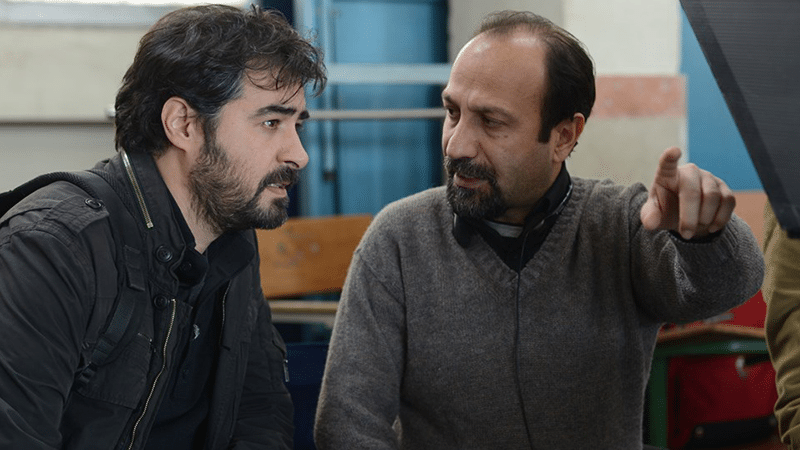
Farhadi builds tension in a way that is accurate and human. He creates multi-dimensional characters whose relationships mimic many of the ones we have in real life. Have you ever been upset with someone but you can’t really tell them that you’re upset with them so you just talk around your issue until eventually it blows up in your face? Or maybe you’ve had a bunch of small issues continue to build and build until once again: it blows up in your face. These very common instances in real life are also what we call subtext– the tension or conversation in a scene that we leave unspoken while the real conflict simmers.
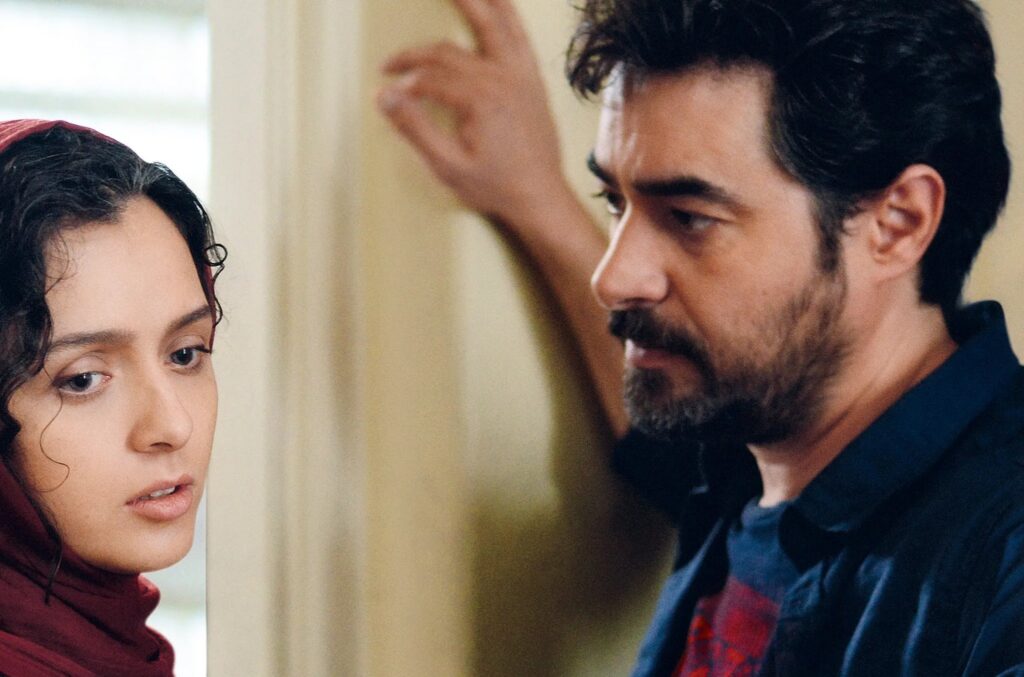
By creating these characters, you open up a whole world for yourself because you’re not tied down to one specific kind of character. Someone who might originally have been perceived as a villain in your story might not be so villainous after all, they’re just another human being who has differing ideas to your protagonist. Now, you’ve not only left your audience with the internal battle of having to choose between two characters; you’ve also gotten them to see aspects of themselves in your story. What better way is there to really touch home than to confront your audience with themselves on screen?
Bong Joon-Ho – Visual Storytelling

You’ve worn quite a few hats across the filmmaking process so far, so here’s one more.
If you are a future filmmaker who excels in cinematography, you should consider Bong Joon Ho as a mentor for your journey. Differently to his fellow directors, the cinematography of Bong’s films are uniquely credited to his own method of visual storytelling, not his cinematographers’. His style heavily involves still and static images, and tends to only include people into the scene based on the emotional intensity behind it. If you’re looking to find different ways to add detail and intensity to your work, Bong’s technique might apply for you.
When it comes to including people in his scenes, he uses a Kurosawa-inspired blocking technique to build his composition into showing a stronger, more dramatic narrative, proving that even the best directors learn from one another. His method is to use his visual style to tell us all the small details of a story without anyone having to say anything, forcing the audience to be immersed at all times.
Consider his movie Parasite (2019) pictured right. One of the many things that makes the movie as exciting as it is is the amount of visual details we’re shown without explicitly ever being told anything. We feel how constrained and cramped the less fortunate family is through the camera angles and framing. We understand the freedom of the wealthy family through the bright lighting and open space. Every visual detail has a purpose and is a reflection of his creative voice.

Céline Sciamma – Saying More with Less
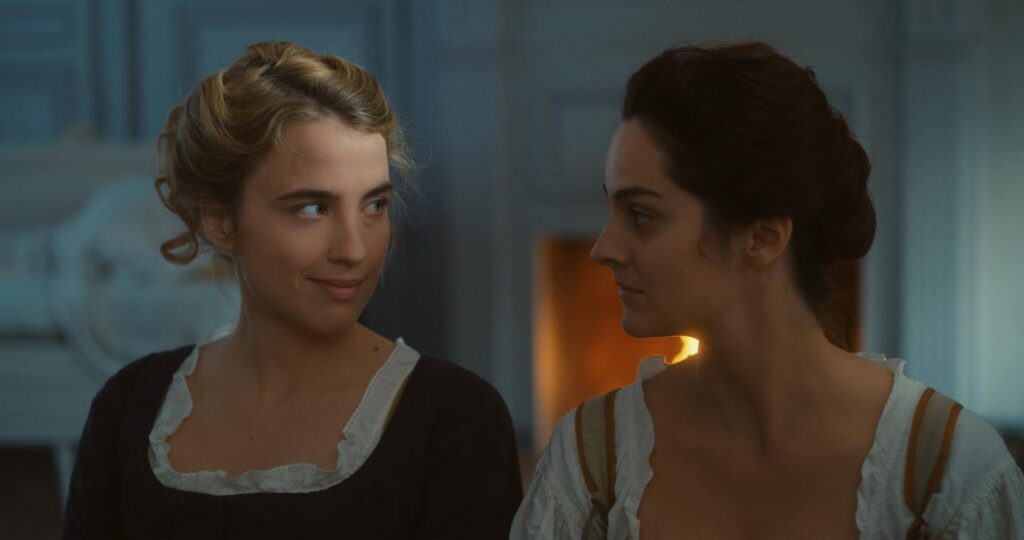
At times, it is easy to drown in the details of filmmaking before ever getting the chance to fully lay out your story to begin with. You probably nitpick every little idea on your way down and forget the bigger picture- classic! What if I told you that you can accomplish all your ideas without getting lost in the parts that you don’t really want? Don’t take it from me, take it from Céline Sciamma, who teaches that you don’t have to sacrifice what you want in your film for the sake of what you need, you just have to know how to bridge them together in order to create your own unique, personal rhythm.
It’s true that in writing a story, you have to have beats that drive it forward, but if you are able to find a way to connect them in order to make a more interesting story, why not do so? The goal is to say more with less; use basic elements to execute your thoughts and gaze while still maintaining the structural elements you need to keep it moving along. Sciamma says to know what your film will look like before it’s even shot by combining screenwriting, directing and editing all into your script. It might seem like a lot initially, but it gives you the foresight to know how to completely execute your vision by planning it out for yourself in advance. The key is to use every cinematic tool at your disposal but only for the ideas you truly feel strongly about. If you don’t feel strongly about an idea then you probably shouldn’t put it into your film- that is how you get the final result you truly imagined!
Satyajit Ray – Creating Believable Characters
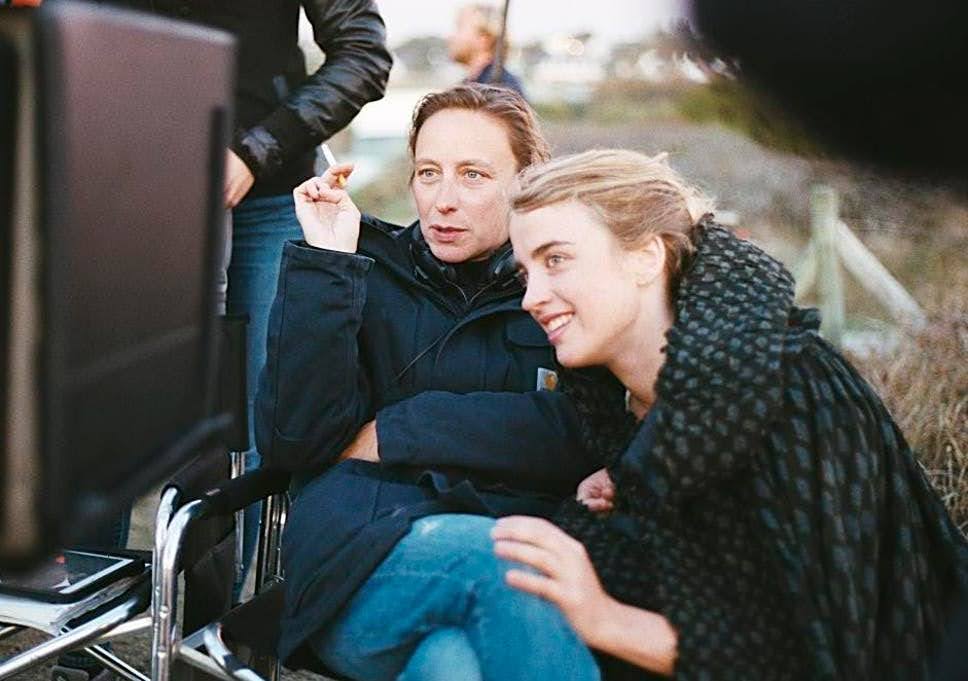
Now you’ve become quite the esteemed filmmaker throughout your time here. You’ve written, you’ve directed, you’ve edited- sometimes all at the same time. But before you consider yourself done, you should probably take into account the believability of your characters. I’m not talking about building tension or creating conflict, I mean getting the best possible performances from the best actors for your story. The master in this lesson is Satyajit Ray.
Ray is often commended for his ability to create believable and personable characters. He offers a technique that might not initially cross your mind, but is highly effective: relying on the actual physicality of your characters.
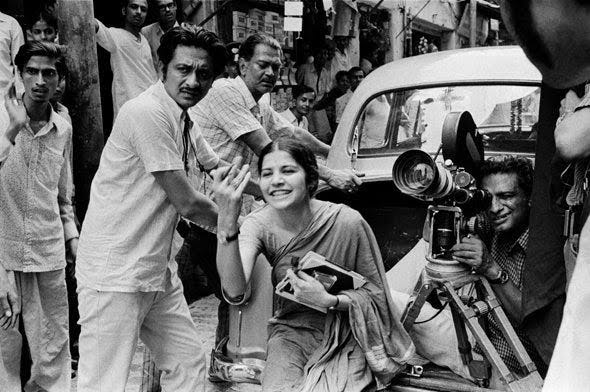
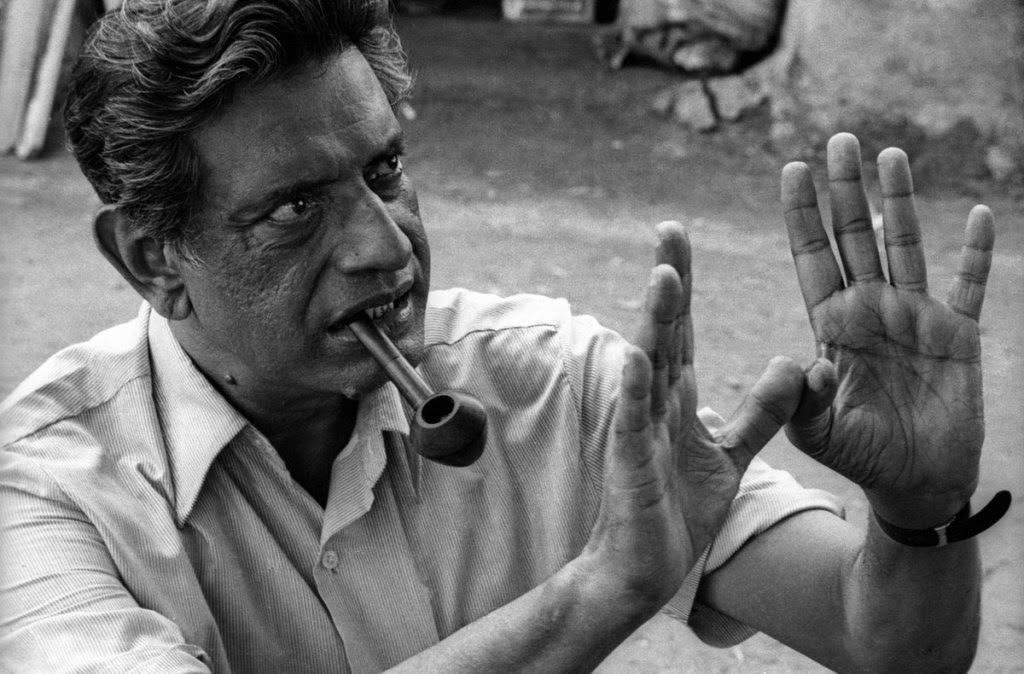
He does this by making them appear like real people being filmed off guard instead of actors in front of a camera- as if we are eavesdropping on them without their knowing so. People truly act like themselves when they don’t know anyone’s watching, so intentionally filming his actors with long takes, in natural light in a documentary-like style creates the most authentic version of his story.
Ray also teaches that creating accurate characters starts with casting, well before production ever begins. When beginning your film career, you may not have the chance to cast Hollywood’s top actors, but that actually might be a good thing. Sometimes finding people with the right faces and traits for your characters, even if they’ve never acted before, works in your favour and you get a better performance than you ever dreamed of getting.
The Next Generation: Curry Barker and Kane Parsons
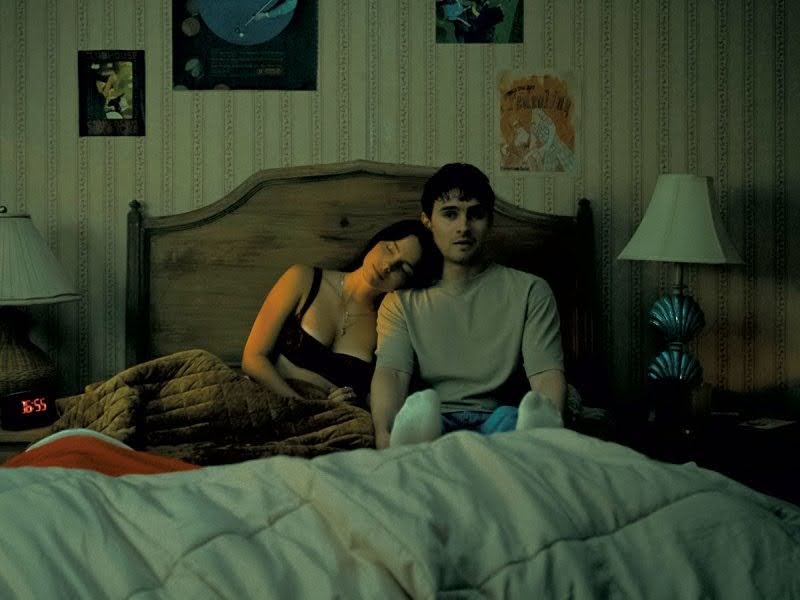
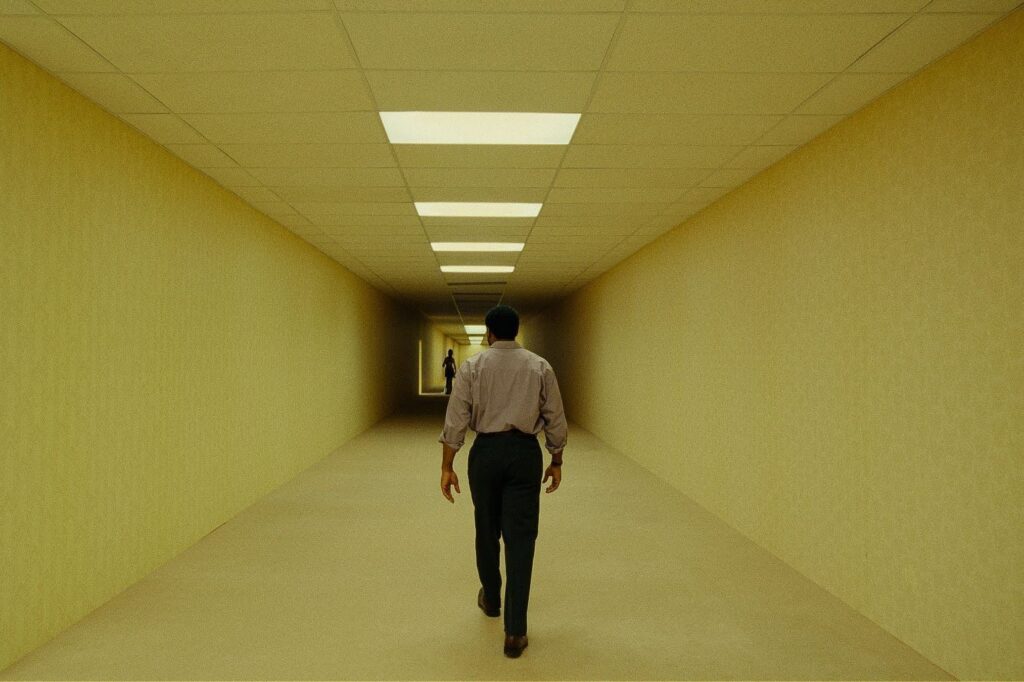
Having learned from the greats, it can feel like the age of newcomers is over, and if you don’t have success already, it’s not in the cards for you. Curry Barker and Kane Parsons are two directors who are undeniable proof that this simply isn’t true. The two share a similar trajectory in that they achieved recent newfound success through their debut features Obsession (2026) and Backrooms (2026) respectively, and began their careers posting their work on Youtube, as that was the most accessible platform to them. From short films to mini-web series’, to the big screen, the two directors stuck to their creative visions and did not let money sway them from what they believed to be true to their stories. So if you can learn to be determined like Barker and Parsons, meticulous like Bong Joon Ho, technical like Akira Kurosawa and resourceful like Robert Rodriguez, it may not be too far-fetched to think that one day your name could be on this list too.
Before You Say “Action” Remember…
- If you’re tight on budget, study Robert Rodriguez
- If you have more ideas than equipment, study Agnès Varda
- If you want to give your audience an immersive experience, study Wong Kar-wai
- If you need to know how to move your actors, study Akira Kurosawa
- If you’re struggling to create tension, study Asghar Farhadi
- If you want your visuals to tell the story, study Bong Joon-Ho
- If you don’t want to sacrifice your story, study Céline Sciamma
- If you want to make your character believable, study Satyajit Ray
Let us know which director you feel resonates with you the most!