
“In the 80s maybe you had to go to Hollywood, now you don’t.”
– Christopher Evans (Executive Producer)
It’s a crucial moment in a filmmaker’s career when they are finally ready to pitch their project: a feeling amplified by the hours of hard work it takes to draft an idea, develop it, and see it through until the end. It is a feeling akin to the climax of a film that has had you on the edge of your seat from the moment you sat down. For many filmmakers, this is the moment where it can feel like they have finally arrived at the finish line.
The reality is, it’s only the beginning.
Consider the many films that people know and love today. Though they might be highly successful now, the journey they took to get there was rarely as seamless as the finished result. Martin Scorsese’s The Irishman (2019) took more than 25 years to get off the ground, only receiving a green light once Netflix stepped in. Similarly, James Cameron wrote Avatar (2009) in 1994, but the project wasn’t approved until a decade later when funding and technology finally caught up.
Whether it is through an hour-long presentation or a 30-second elevator pitch, the real challenge begins with convincing someone your project is worthy of their money. Every film begins with an idea, but getting it from inception to creation requires answering one fundamental question: Why this story?
That is the core purpose behind the Forest City Film Festival’s Project Pitch.
The Evolution Of Project Pitch
Beginning in 2021, the FCFF Project Pitch Competition was built with a clear mission: to bridge the gap between development and production for Southwestern Ontario filmmakers. Over the years, the competition has constantly evolved to match the shifting needs of the industry and give regional creators the tailored support they need to bring their visions to life.
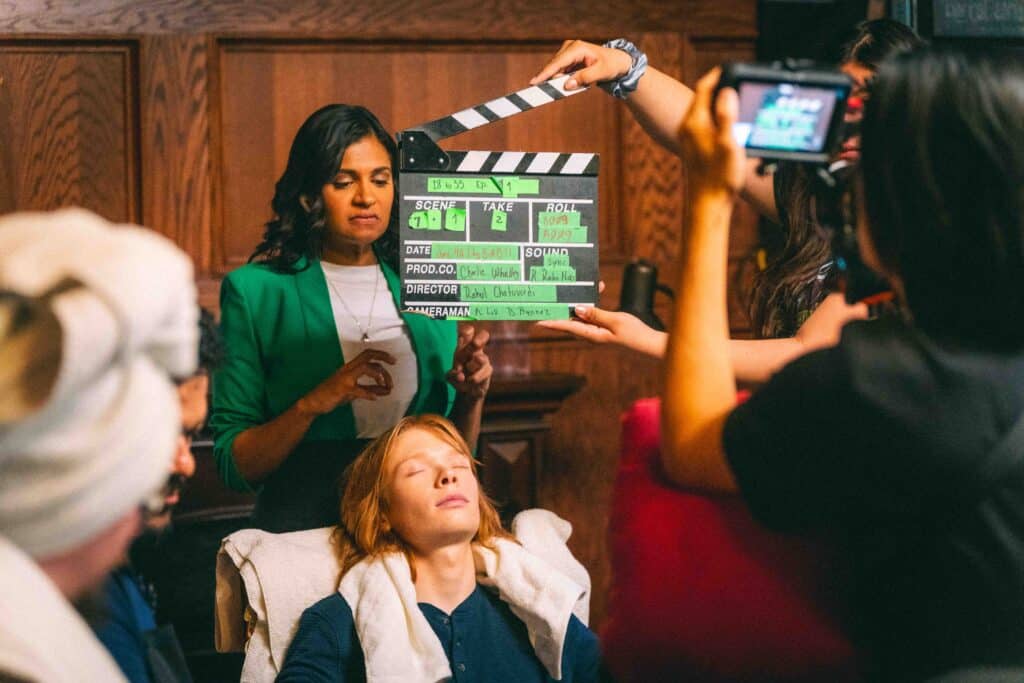
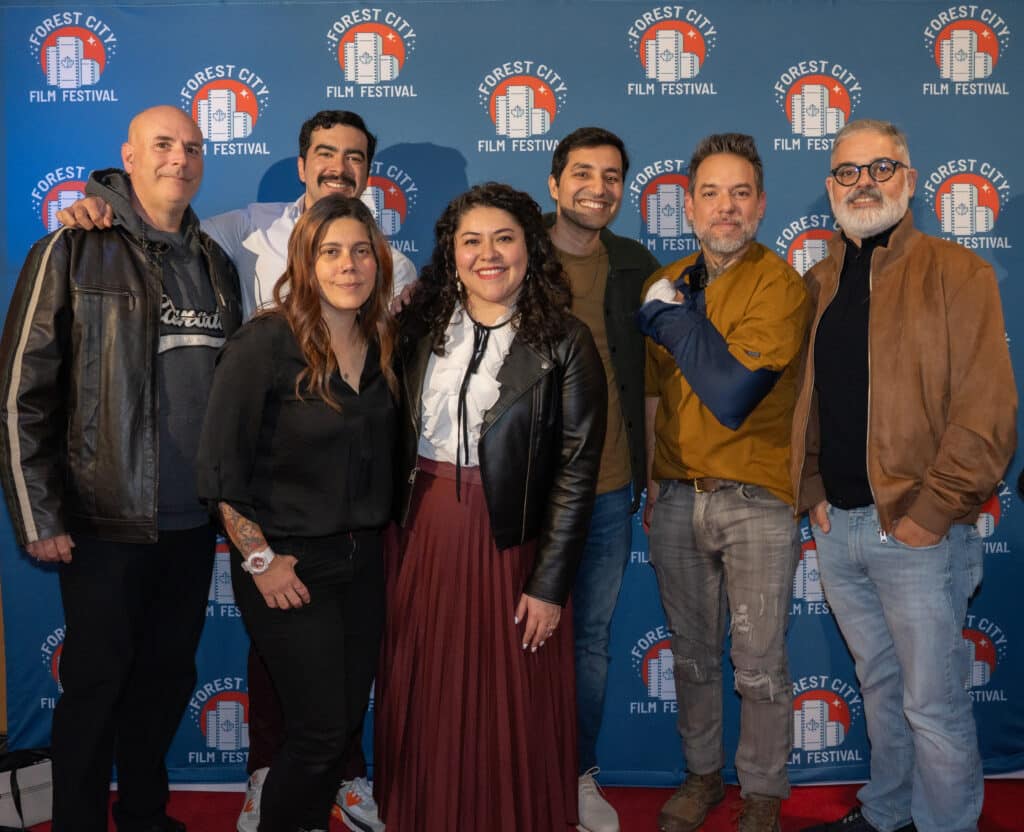
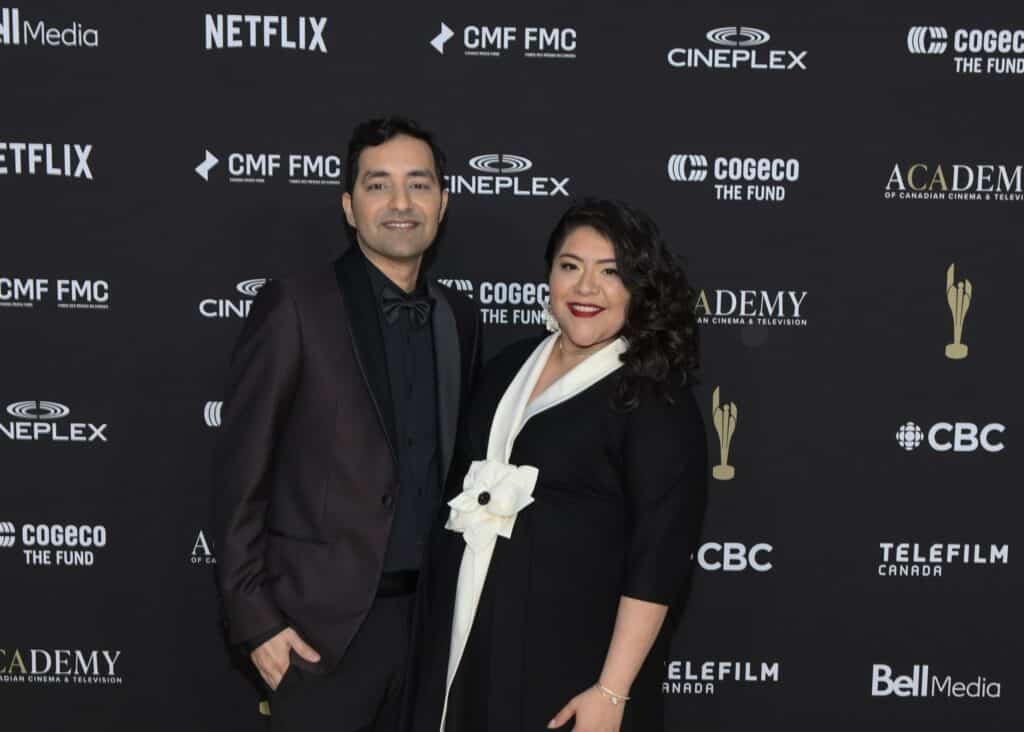
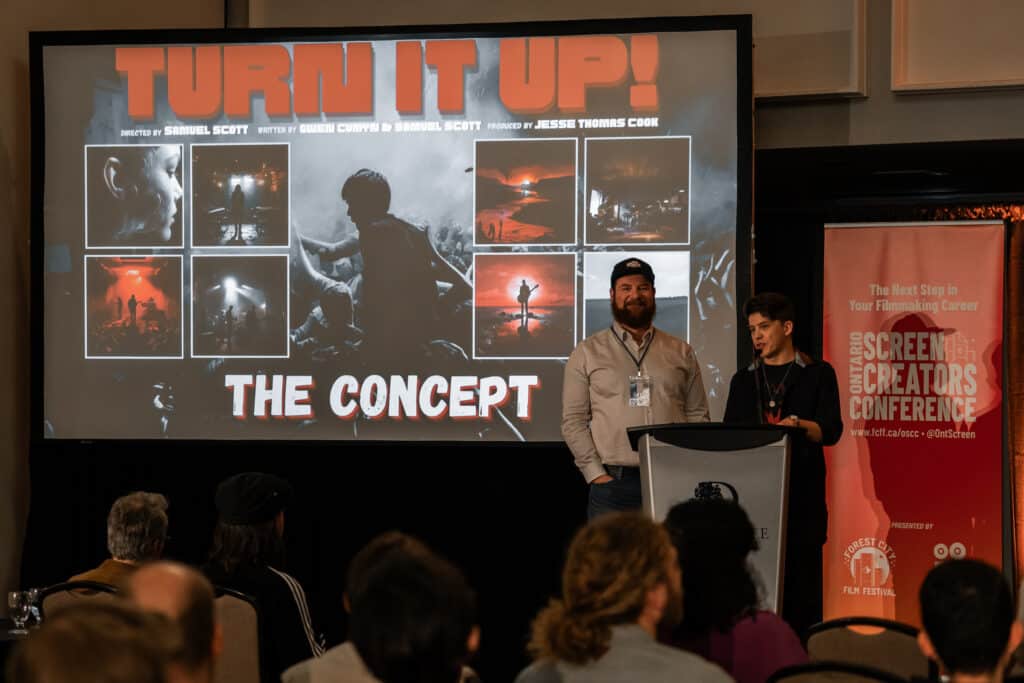
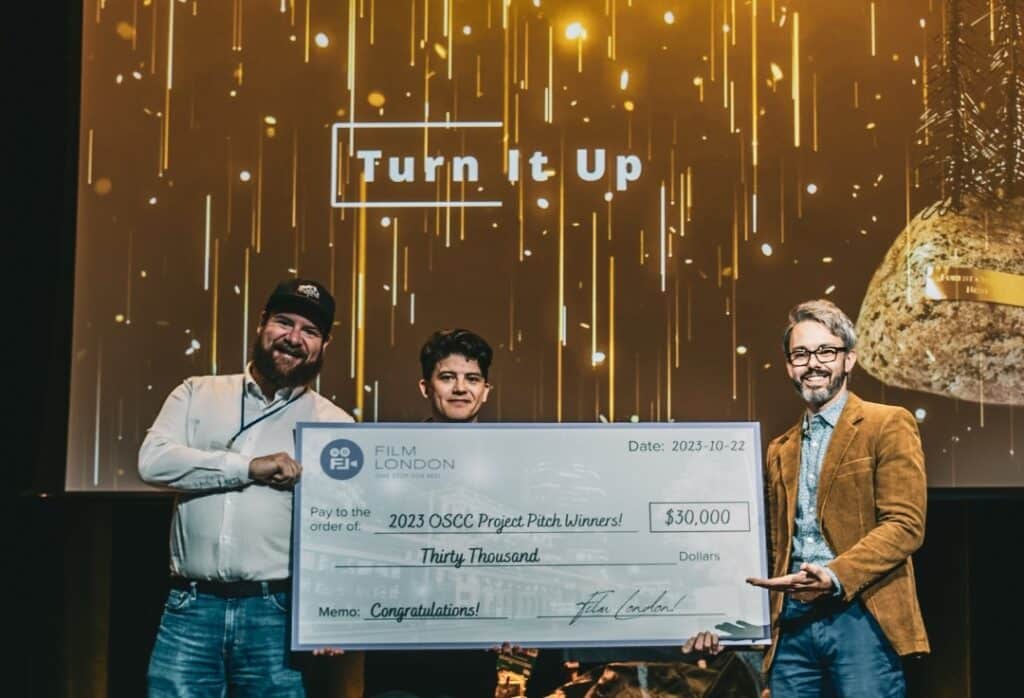
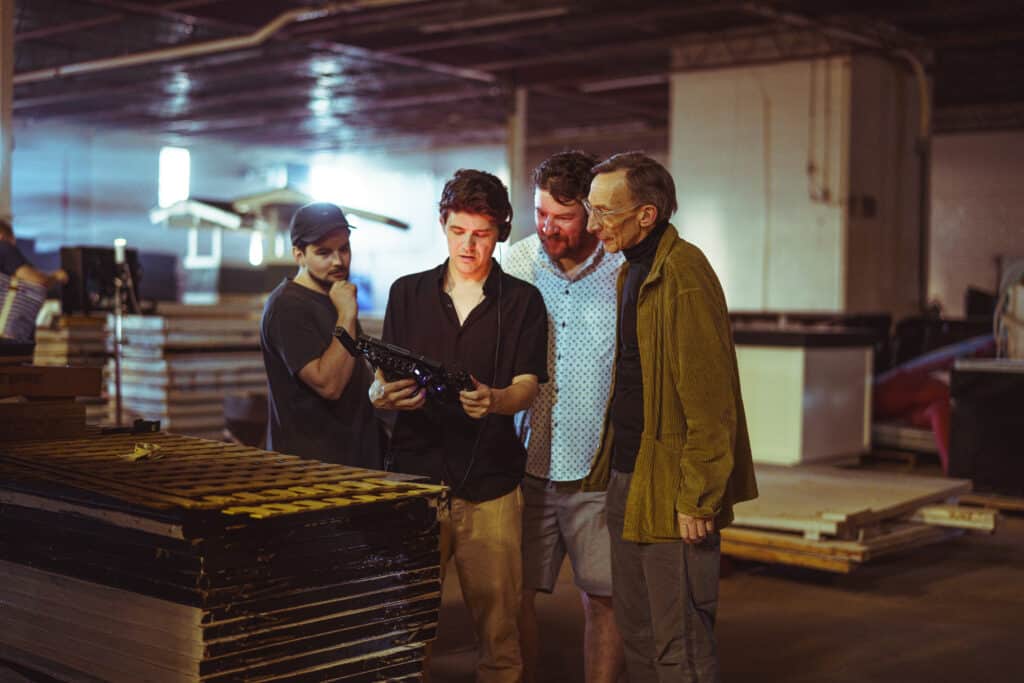
When digital content was booming, the challenge introduced a Web Series category. That pivot helped launch 18 to 35, which went on to earn four 2026 Canadian Screen Award nominations, including Best Web Program or Series (Fiction) and Best Writing, alongside a CSA win for Jean Yoon for Best Supporting Performance in a Web Program or Series. In the feature category, producers Jesse Thomas Cook and Liv Collins won the 2023 Feature Film Pitch for Turn It Up! (directed by Sam Scott). Winning the pitch allowed them to bring the production directly to London, Ontario, leading to international recognition at major industry platforms including the Cannes Marché du Film and the Tribeca Film Festival.
As the independent film landscape changes, so does the competition. This year, FCFF has streamlined its focus to Narrative Short Form Content and Documentaries, offering a direct $10,000 cash prize tailored so filmmakers can fully finance these projects from script to screen.
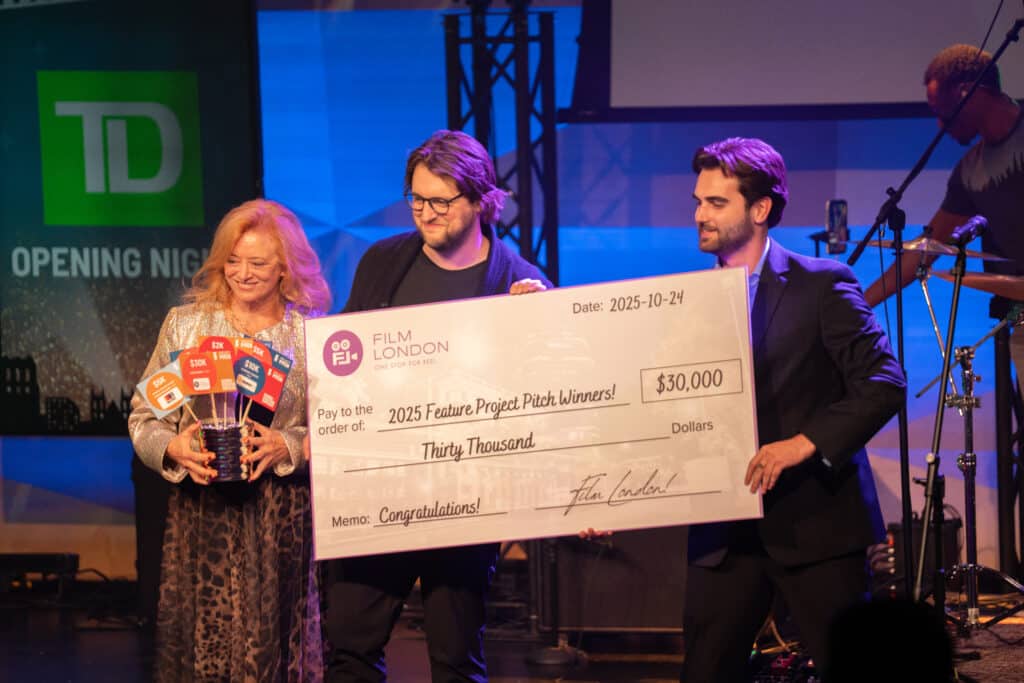
This spirit builds directly on the success of 2025 feature pitch winner, writer-director Danny Dunlop and his upcoming film Hi, My Name’s Mike!.
From Idea To The Streets Of London
After winning the 2025 Project Pitch Feature Film competition, Dunlop transformed downtown London into his very own film set. His upcoming feature, Hi, My Name’s Mike!, takes place in the heart of the city across various locations along Dundas Street.
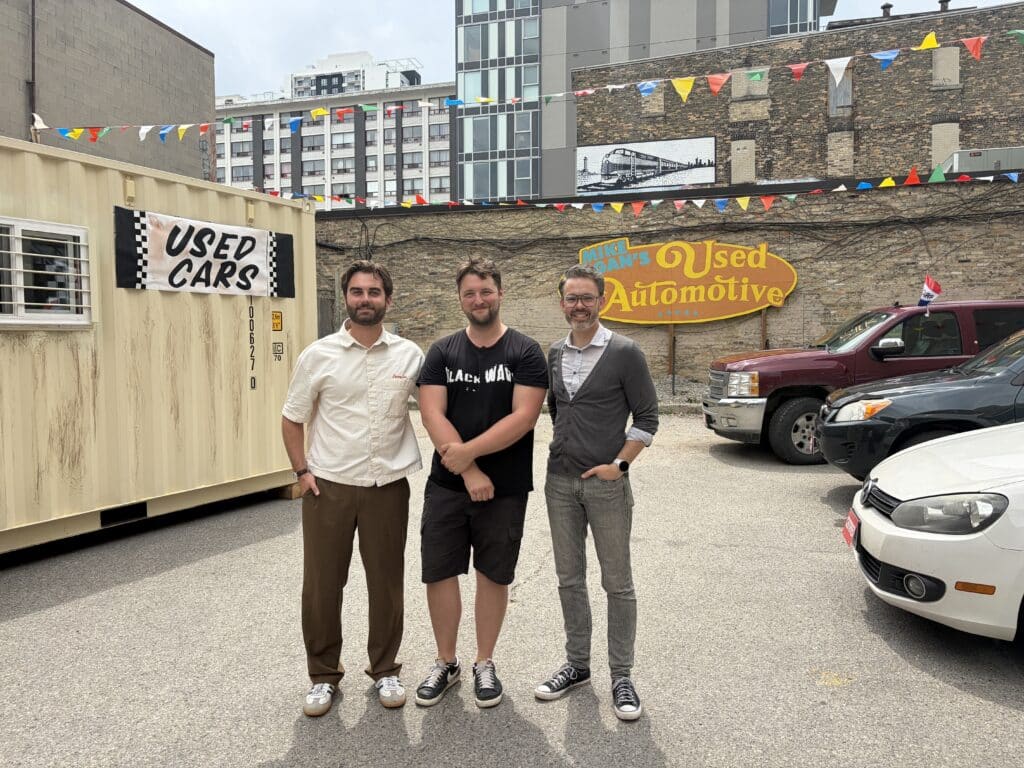
This marks Dunlop’s second feature, following his debut, Wolves, which screened at the 2022 Forest City Film Festival. Choosing his next project, and the right place to pitch it, was a critical decision. In speaking with Dunlop, he explained how he settled on the idea and highlighted the long timeline required to take it from early concept to production:
“I remember first pitching Hi My Name’s Mike to my friends in about 2012 and I didn’t really ever have much of an intention of making it but the idea just sort of stuck with me and kept coming back. I think it’s just that these things sort of pop up in my head over time and the ones that really stick in there eventually become something.”
Dunlop’s journey reflects a reality every independent filmmaker knows: bringing a vision to life takes immense time and patience. Rather than chasing an impossible budget, he wanted a path that was grounded in reality, and Project Pitch provided the exact jumpstart his film needed:
“I’ve had things in the film festival a lot over the years, I’ve had friends who’ve pitched – I think I’ve attended a few of them before. It felt like the right project just simply because it was something that seemed attainable. You know, everyone’s got $5 million ideas up their sleeve, but the reality of actually accomplishing that is very different […] the idea that the project pitch would actually have a sizeable impact on us […] it seemed like a viable option and they seem to think the same.”
A Truly London-Made Production
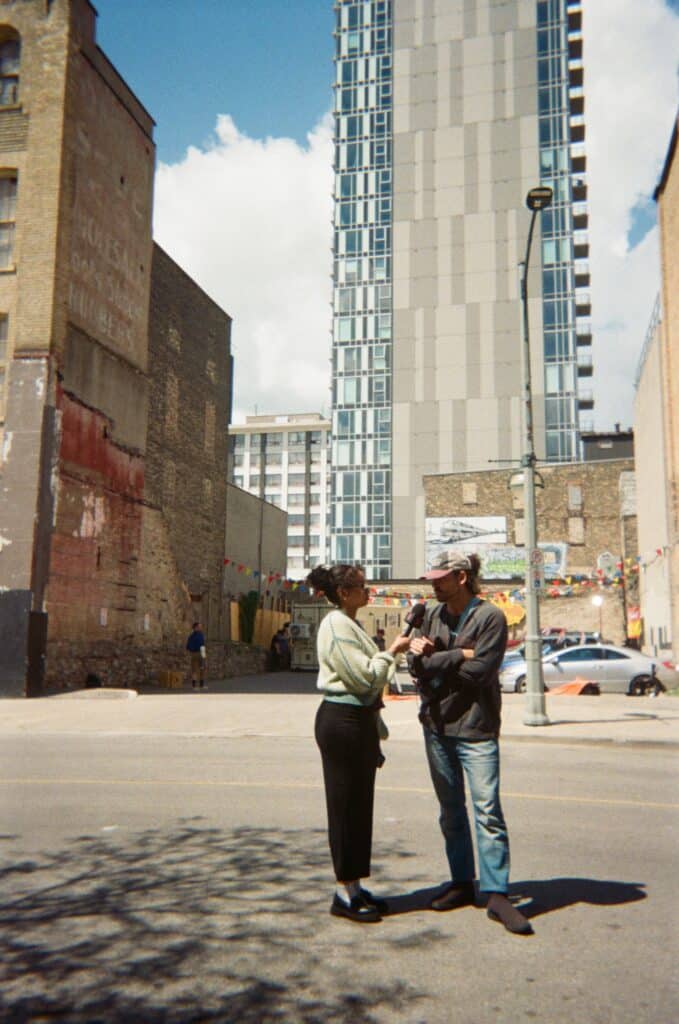
For executive producer Christopher Evans, a long-time London resident, watching the film come to life wasn’t just a production success; it was a personal milestone. Living right around the corner from set at Dundas and Clarence, his goal has always been to prove that high-caliber filmmaking can happen right in the Forest City rather than living in the shadow of Toronto:
“My dream was to bring movies to London and do the same thing that Danny was talking about, which is just making movies with your friends. I think you probably hear a lot of that in this industry, but the point is: we actually love it.”
That local love extended to every corner of the shoot. The production leaned heavily on neighbouring downtown businesses to power the set, partnering with Studio Coffee for caffeine, Nooners for catering, and setting up basecamp at Solid Gold.
“Every fiber of this production is a London-made production,” says Evans. “I think this will be a good example for filmmakers and creatives moving forward that you can just do the thing. You just need to actually take the initiative, and I guarantee there are people in your orbit who would love to be a part of it.”
That collaborative spirit was backed by critical local infrastructure, including support from the London Film Office, which helps sponsor the Project Pitch Competition and provides the resources and location permits necessary to make regional shoots run smoothly. For Dunlop, that local backing represents a major shift in how creators view Southwestern Ontario:
“I’ve always thought it was possible to do film and television in London,” says Dunlop. “Growing up in the shadow of Toronto, there’s always this perspective that if you don’t go there, it’s not going to work. But London is really coming into its own now, and it’s very nice to see more of a community building up here.”
“In the 80s, maybe you had to go to Hollywood,” Evans adds. “Now, you don’t. You can literally step outside, meet another filmmaker, connect, go to a coffee shop, use their location, exchange talents and resources, and there you go: you have a film set.”
Engaging The Community From Script To Screen

That grassroots philosophy didn’t just power the logistics behind the scenes, it shaped how the team approached the entire production experience. By hiring local London-based cast and crew, the project proved that world-class talent already exists right in FCFF’s backyard. But the team took community engagement a step further, finding playful, non-traditional ways for locals to interact with the story before it even hits the screen.
As Evans explains:
“Part of our marketing includes a real Google Maps location for the main character’s used car lot. You can actually look up ‘Mike Dugan’s Used Automotive’ right now and leave him a terrible review just as part of the fun! We wanted to make this an expansive, immersive experience for filmmaking versus just a cut-and-dry production. It’s been so deeply involved with the community, from the crew to the actors, so many of whom are London-based. It’s cool to see the talent that exists here; it’s just a matter of how we continue to nurture it.”
Post-Production And What Lies Ahead
As the team transitions into the post-production process, Dunlop and Evans are turning their focus to the edit, highlighting their excitement about working side by side in the cutting room:
“I’m excited to edit alongside Danny. I mean, he’s the editor, but he has such a distinct vision of what we’re shooting. So it’s really convenient to see him as a holy trinity filmmaker, writer, director and DP and editor- holy he’s doing it all. It’s kind of cool to see this rogue filmmaking at scale happening in London. That’s what I’m really excited about.”
The Next Chapter: Pitch Your Story
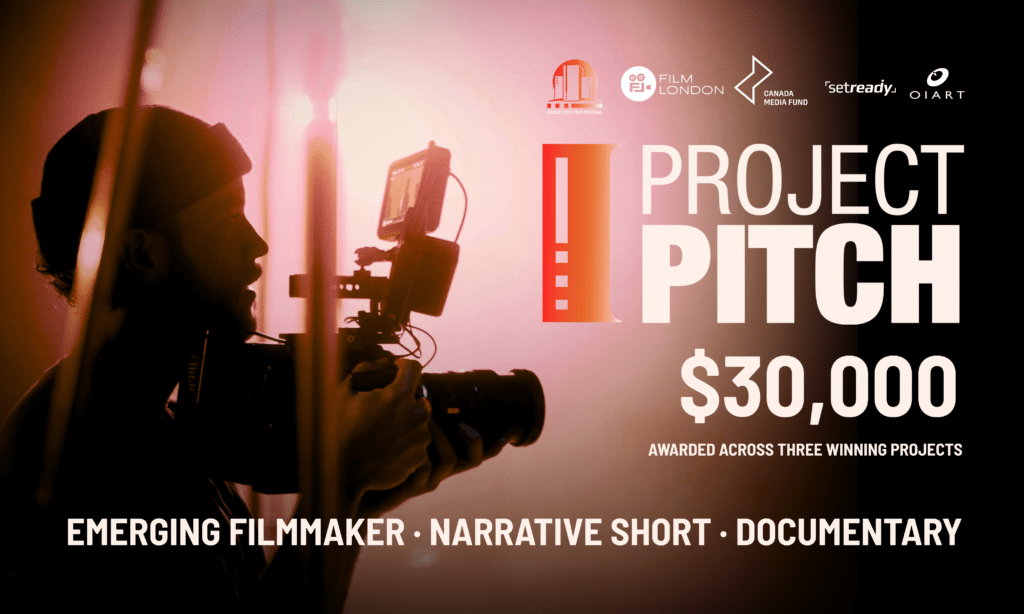
As applications near the deadline for the 2026 competition, emerging filmmakers have the opportunity to submit across three distinct categories: Emerging Filmmaker, Narrative Short Form Content, and Documentary Film. Offering a total of $30,000 in cash, $9,000 in equipment packages across the winning teams, and complimentary post-production consultations, Project Pitch remains dedicated to empowering the next generation of storytellers to turn their freshest ideas into finished films.